Crafting Exceptional Bespoke Produce Boxes: A Comprehensive Walkthrough
Designing custom produce boxes requires a strategic method. Specialists must consider sustainability, functionality, and visual appeal. Choosing the suitable components is crucial for preserving quality and supporting eco-friendly methods. Moreover, size and form can greatly affect ease of use and shipping efficiency. Effective graphics strengthen company identity, while thorough testing guarantees durability. Understanding these components will discover key understanding into producing standout container solutions that resonate to consumers. What comes next is essential to achieving those goals.
Picking the Ideal Materials for Custom Produce Boxes
When determining materials for custom produce boxes, it is important to evaluate both functionality and sustainability. The selection of material substantially shapes the box's durability, weight, and ability to defend the contents. Common materials include corrugated cardboard, which offers strength and is able to be reused, making it a favored choice for environmentally conscious businesses. Compostable options, such as molded pulp or plant-based plastics, also correspond with eco-conscious practices while providing adequate protection for delicate produce.
In addition, liquid resistance is indispensable for sustaining product quality, prompting some producers to explore treated materials or tailored protective barriers. The aesthetic appeal of the box should not be overlooked, as branding and visual presentation can sway market perception. Ultimately, the right material should maintain proportion between safeguarding products, appealing to customers, and adhering to environmental standards, ensuring both functionality and sustainability are prioritized in the design process.
How to Choose Size and Shape for Operational Use?
When selecting the form and dimensions of custom produce boxes, careful assessment of produce measurements is essential for proper storage. Additionally, attention to handling and transport can affect the box design, ensuring ease of movement. Optimizing storage space utilization further enhances functionality, enabling efficient display and storage.
Assess Produce Dimensions Carefully
Selecting the appropriate dimensions for fruit and vegetable containers is essential for functionality and efficiency. Accurate assessment of item measurements is critical, as it guarantees that items fit snugly without unnecessary room that could lead to damage during storage or transport. Custom boxes need to handle different forms, from delicate berries to large produce, while maintaining physical strength. Additionally, the height and width of the boxes should facilitate stacking and organization, optimizing space in warehouse facilities. A properly constructed container not only safeguards the produce but also improves visual appeal for consumers. Ultimately, careful consideration of dimensions helps achieve waste reduction and improving customer satisfaction in the distribution network.
Think About Overseeing Handling and Transport
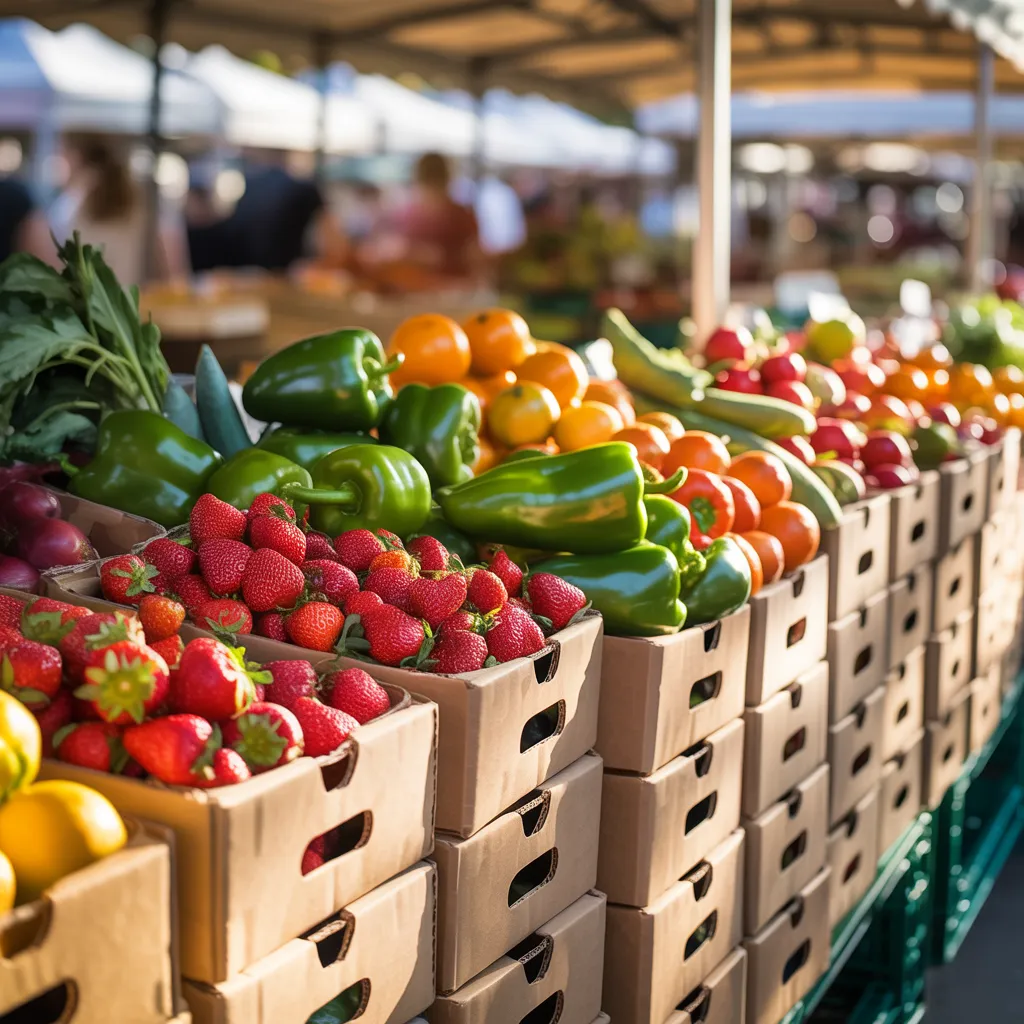
Handling and logistics factors play a considerable function in determining the appropriate find out about this size and contour of custom produce packaging. The dimensions must fit the produce lacking surplus room, this would result in movement and damage during transport. Smaller, compact boxes facilitate more straightforward care, while larger boxes could become necessary for bulkier items. Additionally, proper ergonomics is essential; grip areas and access ports should be strategically situated to allow for comfortable hoisting combined with carrying. The configuration of the box likewise affects stacking along with balance, confirming where products remain secure. In conclusion, thoughtful review pertaining to such considerations enhances the streamlining in transport, lessens goods loss, plus preserves the comprehensive integrity concerning the agricultural goods from farm reaching consumer.
Improve Shelf Space Management
Proper shelf space usage comes down to picking the best size and shape of bespoke vegetable packaging. Professionals should examine the dimensions of the display racks as well as the kinds of produce being maintained. Rectangular boxes often advance space efficiency, supporting for better stacking and alignment. However, varied forms can amplify visual appeal but may produce excess space if not appropriately mapped out.
It's necessary to examine the inventory turnover rate; briskly-selling products might benefit with smaller, conveniently positioned boxes. Likewise, integrating adjustable or flexible frameworks can enable different sizes of items while improving shelf organization. By emphasizing functionality and aesthetic considerations, businesses can build a functional and visually compelling presentation that elevates both product access and market presence.
How to Build Artwork That Get Attention?
Compelling artwork can transform a plain custom produce box into a visual masterpiece that draws attention. To achieve this, visual artists should commence by selecting a color palette that conveys the freshness and vibrancy of the produce. Luminous, eye-catching colors can evoke impressions of freshness and health, motivating consumers to take a further look.
Bold typefaces is also essential; clear and legible fonts can effectively communicate crucial details while enhancing aesthetic charm. Additionally, using excellent photographs of the merchandise can create an immediate connection, showcasing the product's quality and enticing potential buyers.
Furthermore, adding unique patterns or illustrations can help differentiate the brand in a crowded market. Uniformity in design elements, such as logos and taglines, strengthens brand identity. Ultimately, a combination of creativity and clarity in graphic design can greatly enhance the effect of custom produce boxes, making them become prominent on shelves.
Eco-Friendly Practices for Custom Produce Box Packaging Solutions
A surging count of firms are adopting environmentally responsible standards for custom produce box packaging, appreciating its relevance in today's ecologically aware market. These protocols often include the use of biodegradable materials, such as recycled paper and plant-based plastics, which curtail environmental impact. Companies are also focusing on conscientious sourcing, verifying that materials are obtained from responsibly managed forests or suppliers who prioritize environmental stewardship.
Additionally, many brands are choosing minimalistic layouts that decrease waste while still effectively showcasing their products. This strategy not only attracts environmentally aware consumers but also aids in lowering production costs. Moreover, businesses are progressively adopting efficient manufacturing processes that limit energy consumption and waste generation. By incorporating these eco-friendly practices, companies not only enhance their brand image but also contribute positively to the planet, matching their operations with a sustainable future.
Validate Your Custom Produce Box Configuration
Evaluating the structure of specialized fruit containers is a vital step in confirming they meet both aesthetic and functional specifications. This process generally involves examining factors like resilience, size, and ease of use. First, test versions need to be created to test the box's structural integrity, ensuring it is able to endure transportation and warehousing without harming the contents.
Afterwards, performance tests can be done to figure out how readily the boxes can be opened, closed, and stacked. Opinions from intended users can be invaluable in this phase, presenting perspectives into the box's practicality.
In addition, the design's aesthetic value should be tested through survey groups or focus panel discussions, analyzing audience responses to branding features, colors, and overall presentation.
In the end, rigorous testing permits designers to improve the box, guaranteeing it not only appeals to customers but also effectively safeguards and displays the produce within, striking the right equilibrium between form and function.
Showcasing Your Bespoke Produce Boxes Effectively
Successful promotion of personalized vegetable containers demands a well-planned strategy that highlights their distinctive advantages and value. Businesses should focus on determining their intended customers, such as local farms, grocery stores, or individual consumers. Utilizing social networking sites can boost brand awareness, displaying the boxes' appearance and functionality through engaging visuals and storytelling.
Additionally, establishing partnerships with neighborhood advocates and farming professionals can strengthen standing and enlarge reach. Delivering promotions or discounts during peak demand times can capture early customers and encourage repeat business.
Additionally, highlighting sustainability and eco-friendliness in promotional content can resonate with eco-aware buyers. Offering comprehensive details about material composition and the advantages of custom packaging can further differentiate the product in a crowded marketplace.
In the end, a detailed marketing strategy that blends internet-based and grassroots undertakings will effectively market custom produce boxes, appealing to a wide-ranging clientele and increasing sales.
Often Asked Queries
What Costs are Involved in Custom Produce Box Design?
Charges part of custom produce box design include materials, print services, labor requirements, and delivery costs. In addition, design services and minimum order quantities can impact total expenses, causing variable pricing based on specific needs and manufacturing size.
How Long Does Production of Bespoke Boxes Require?
The manufacturing of personalized packaging generally takes between two to six weeks. Elements influencing this timeline consist of design complexity, materials availability, and production capacity, all of which may impact shipping timelines and lead times.
Is it Possible to Buy a Modest Quantity of Custom Produce Boxes?
Yes, small quantities of bespoke produce containers can typically be placed. Many suppliers offer baseline order amounts, enabling businesses or individuals to acquire personalized packaging options without needing to commit to significant quantities from the beginning.
What Common Mistakes Should You Avoid When Creating Bespoke Packaging?
Typical errors in custom box design involve overlooking functionality, ignoring brand consistency, underestimating material quality, failing to consider target audience preferences, and overlooking environmental impact. Each aspect is essential for successful packaging and customer satisfaction.
How Can I Guarantee My Boxes Meet Food Safety Standards?
To confirm boxes are food-safe, one needs to select materials certified for food contact, avoid harmful inks and adhesives, maintain cleanliness during production, and regularly test for compliance with health regulations and safety standards.